A clear and honest overview of what takes place during medical detoxification
 Posted on
August 31, 2026
Posted on
August 31, 2026
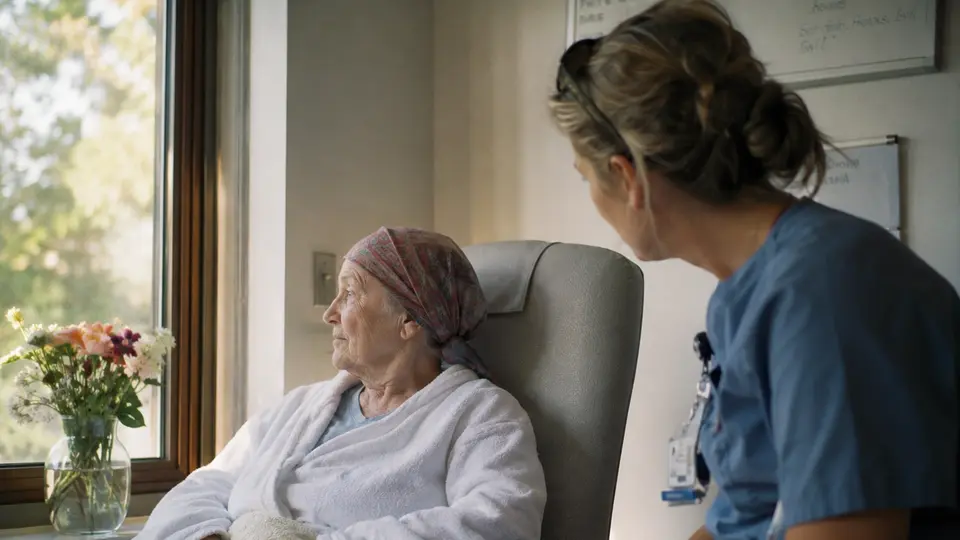
When the person you care about is about to begin detox—or when you're going through it yourself—the worst thing is not knowing. Exactly what takes place in there? Will it be painful? Is it safe? It's completely normal to have these questions, and they deserve proper answers, not just general reassurances.
Medical detox is generally the first definite action taken on the path to recovery, and if you understand what occurs during medical detox, you'll find that much of the fear associated with it disappears. It has nothing to do with relying on willpower or managing it by yourself in a room with the curtains closed. Instead, it is a structured and supervised procedure intended to enable a person to undergo withdrawal as safely and comfortably as possible.
The usual way the process unfolds is from the initial intake conversation to the point when someone is ready to enter ongoing treatment.
Why Detox Comes Before Everything Else
It is impossible to carry out the more in-depth aspects of recovery — such as attending therapy, reconstructing relationships, and identifying triggers — while the body is still working to stabilise itself. The purpose of detox is to get people through the physical process of withdrawal first, in order that their minds may be clear enough to actually take part in treatment.
Imaginе it as preparing the runway. It doesn't cover the entire flight, but no other aircraft can take off until it's done.
Nevertheless, detox by itself does not constitute recovery; it is only the beginning, not the end, and a reputable program will clearly state that rather than pretending that detox is a cure.
The Intake Process: What Actually Happens First
The first step is to carry out an assessment; in this way, the medical personnel are able to obtain a complete understanding of the individual, rather than just knowing what substance was involved.
A typical intake includes:
- A review of substance use history — what's been used, how much, and for how long
- A physical exam and vital signs check
- Screening for co-occurring mental health conditions, since dual diagnosis is common and affects how detox is managed
- Questions about past withdrawal experiences, since someone who's withdrawn before may be at higher risk for complications
- A conversation about medications, allergies, and other health conditions
This step matters because withdrawal affects people differently; their medical history shapes how their care team monitors and supports them.
What Withdrawal Can Feel Like
This is the section that people are most afraid of, so rather than avoid it, let's face it honestly.
The symptoms of withdrawal differ greatly according to the substance in question, the length of time it was used, and the person's own health condition. As a general rule, people may experience:
- Physical symptoms like nausea, sweating, tremors, or fatigue
- Sleep disruption or vivid, unsettling dreams
- Anxiety, irritability, or a low, heavy mood
- Difficulty concentrating
- In some cases, more serious symptoms that require close medical attention
That is precisely the reason why medical detox is available rather than attempting to go through it at home. Because withdrawal from some substances can become a medical emergency, it is the presence of qualified staff monitoring for early warning signs that makes the difference between a difficult few days and a dangerous scenario.
If you or a member of your family are in the process of withdrawing and are suffering severe symptoms, including confusion, seizures, or thoughts of harming yourself, it is an emergency, and you should immediately get in touch with emergency services in your area or a crisis line. Do not wait until it's too late.
The Role of Medical Supervision
With medically supervised detox, a person's vital signs, symptoms, and level of comfort are continuously monitored rather than merely being checked once and then left to themselves.
Staff might:
- Monitor heart rate, blood pressure, and other vitals at regular intervals
- Adjust care based on how symptoms are progressing
- Provide supportive care for discomfort — hydration, rest, a calm environment
- Watch closely for any signs that a symptom is becoming dangerous rather than just unpleasant
The exact nature of the medical support available to any individual is a decision taken by qualified providers in light of that person's particular circumstances—it can't be worked out in advance from an article such as this one. When you're considering your options, the appropriate thing to do is have that discussion with a doctor or treatment provider who is in a position to assess the person personally.
The Emotional Side Nobody Talks About Enough
People often focus on the physical symptoms, but detox also has an emotional disorienting effect. Imagine being there a few days after you started – the most severe of the physical symptoms having gone away, yet you find yourself facing all the emotions that the substance used to suppress, such as grief, shame, and fear regarding what's to come. It is at this point that genuine vulnerability usually appears, rather than on day one.
Good detox programs take this into account. The staff do not merely check on the patients' vital signs; instead, they are usually the first steady, nonjudgmental figure that a person has encountered in a long time, and that is important even if it may not sound like it is.
What Comes After Detox
The detox process stabilises the body, but it does not deal with the reasons why a person initially began using, and it does not develop the abilities needed to remain in a healthy state over the long term. The result is usually a move on to a treatment programme, this being either residential care, outpatient therapy or another structured stage.
Failing to carry out that following step is one of the main reasons why people relapse a short time after detox; although the body is ready to proceed, the essential work has not yet begun.
If You're Supporting Someone Through Detox
If you are a family member or friend who is outside of the process, your responsibility does not lie in looking after the medical aspects—that is something which belongs to the team. Rather, your role is more straightforward and easier: you simply have to be there, remain calm, and not make any ultimatums or appeal to guilt at a time which is itself already delicate. You should ask the treatment team what sort of contact or level of involvement is suitable, as this differs from one programme to another.
The article is of a general and educational character and should not be regarded as an alternative to a medical assessment or professional advice on treatment. Since all individuals are in different situations, any decisions regarding detox must always be made in conjunction with a qualified provider.
Detox is hard, but it's also survivable, and it's the door that opens into everything else. If you're trying to figure out what the next step looks like—for yourself or someone you care about—browsing RehabSupportServices.com's treatment resources or reaching out for a confidential conversation is a reasonable place to start.