State-Funded Rehab Programs: How They Work
 Posted on
October 27, 2026
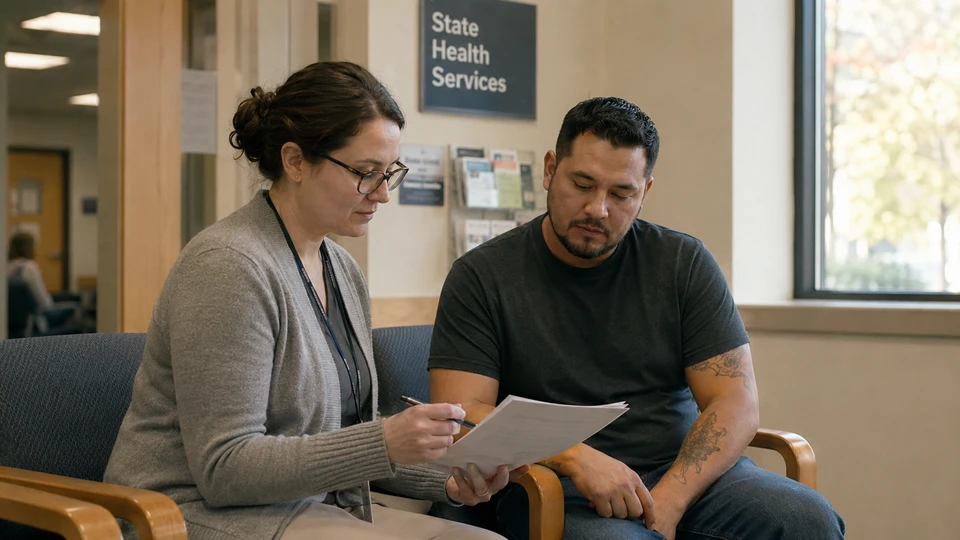
It shouldn't be up to money whether or not someone is able to get help, but for many families it seems as though it is — until they find out that state-subsidized rehabilitation is available and then start wondering how it really works.
Nobody is the only one who is looking for a way to receive treatment without having to rely on insurance or their savings. In the United States a large number of the people who go for addiction treatment make use of some kind of public funding, that being either Medicaid, block grants, or state-operated programmes designed for individuals who cannot afford private care.
The article examines what state-funded rehabilitation really consists of, who is eligible, and outlines the process from applying right through to the aftercare phase — in order that you may know what to anticipate before you pick up the phone.
What "State-Funded" Actually Means
State-funded rehabilitation programmes are treatment services which are paid for either entirely or in part by public funds rather than by private insurance or by payments made out of pocket. This public money usually comes from a number of different sources: the state health departments, federal block grants passed on to the states, and Medicaid.
They are not inferior programs; numerous ones provide the same basic services as private facilities—such as detox, inpatient and outpatient treatment, and counseling—only having their funding arranged differently. The compromise is generally one of availability rather than quality: public programs tend to have fewer beds and longer waiting lists than private ones.
Who Qualifies for State-Funded Treatment
Eligibility rules vary by state, but most programs look at a similar set of factors:
- Income level — many programs use a sliding scale tied to the federal poverty line
- Residency — you typically need to live in the state where you're applying
- Insurance status — priority often goes to people who are uninsured or underinsured
- Severity of need — some states prioritize pregnant women, veterans, or people with a documented substance use disorder over general applicants
One doesn't have to be in a terrible financial situation in order to qualify. Many people who work full-time and who do not have insurance to cover rehab still satisfy the criteria. It's worth checking even if you think you won't qualify since the standard is often lower than people anticipate.
How to Find and Apply
Here's roughly what the process looks like, start to finish:
- You should get in touch with the health or behavioural health department of your state. Since each state has an agency responsible for publicly funded treatment, most of them provide a searchable list of approved facilities.
- Have an evaluation carried out. A counselor or intake coordinator will inquire into your history of substance use, your mental health, and your living arrangements so as to determine which level of care is appropriate—whether it be detox, residential, or outpatient.
- Provide proof of income and residency. This stage is generally the longest one. Make sure you have your pay stubs, lease, or utility bill ready so as to accelerate the process.
- Join a waitlist or go into an open bed. Wait times depend greatly on the region and on how urgent the assessment finds your situation.
Here's a real-life example: a person loses their job, have their insurance cancelled as a result, and then begins to drink heavily in order to deal with the situation. They contact their state's behavioural health hotline, are assessed within a week and are informed that outpatient counselling can be started right away, but it will take about three weeks to get a bed in a residential facility. That waiting period—the delay—is one of the most difficult aspects of care funded by the state, and it's important to plan for it seriously rather than just ignore that it might occur.
What Treatment Actually Includes
The fact that it is state-funded does not mean that it is minimal. For different states and depending on the particular program, the coverage can include:
- Medical detox
- Inpatient or residential treatment
- Intensive outpatient programs (IOP)
- Individual and group counselling
- Medication-assisted treatment for opioid or alcohol use disorder
- Case management and help connecting to housing, job training, or sober living afterwards
The aspect that is not always thoroughly dealt with involves the intermediate situations—such as getting to appointments, staying in extended sober living arrangements, or continuing with long-term therapy after the first treatment episode has ended. In these cases, families may have to use community resources or providers who charge on a sliding scale.
The Honest Downsides
It would be unreasonable to present this as if it were smooth. State-funded programmes have to cope with real limitations:
- There are waitlists; in places where demand is high, the waiting period can last from days to months.
– You have a limited amount of choice since you can't select the facility or provider as you could if you were paying privately. - Stays are shorter. Sometimes, funding limitations result in stricter limits on the length of inpatient stays when compared with private programs.
The fact that this doesn't mean the level of care is lower is that the system is overloaded and that it's important to be persistent. Actually reducing the waiting time is possible by calling back, checking on the paperwork, and inquiring about the cancellation lists.
If You're Supporting Someone Through This
If you are a family member and you are acting on someone else's behalf, you should know that it is perfectly okay to ask questions, ask for timelines and request updates. Since case managers are used to having family members involved, make use of that.
If, while you're waiting for a placement, you're worried about withdrawing or your safety, there's no point in putting off getting urgent help by waiting for the paperwork. Should there be any possibility of dangerous withdrawal, an overdose, or thoughts of self-harm, you should immediately contact your local emergency services or a crisis line — it's not something you should wait until you're placed to deal with.
A Grounded Takeaway
State-funded rehabilitation is not a last-resort choice; in fact, for a large number of people it is the route that results in recovery. Although it involves more paperwork and requires greater patience than privately paid treatment, the care received is genuine and the opportunities available are more numerous than most people think.
This article is meant to give you a general sense of how the process works; it isn't medical advice, and every state's system has its own specific rules worth confirming directly. If you want a clearer picture of what treatment options might fit your situation, browsing the program information on RehabSupportServices.com is a good next step.