Holistic Addiction Treatment: What It Includes
 Posted on
September 14, 2026
Posted on
September 14, 2026
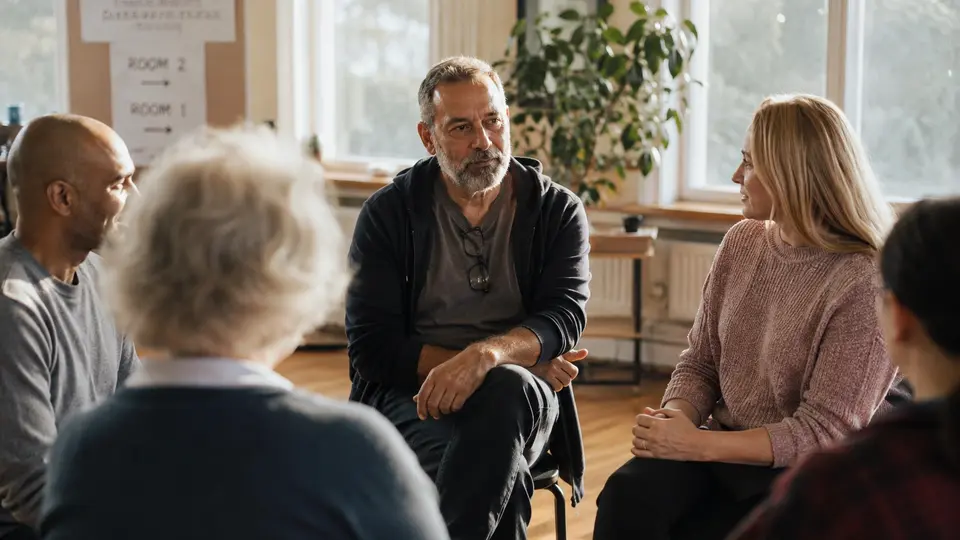
Envision two individuals completing their detoxification during the same week. One leaves with a discharge sheet and a follow-up appointment set for three weeks in the future. The other enters a program that also inquires about her sleep, her relationship with her mother, whether she has eaten a real meal in days, and what gives her life meaning apart from using. They start from the same point but have very different prospects of the following six months turning out well.
The kind of addiction treatment referred to in the second scenario is generally what people have in mind when they speak about holistic addiction treatment; it does not involve replacing medicine with incense and affirmations, but rather treatment that addresses the whole person and not merely the substance use disorder.
The article sets out what actually makes up a holistic approach, so that when you are researching care for yourself or for someone you care about, you know what to look for or what questions to ask.
What "Holistic" Actually Means (and Doesn't)
The term is often used in a loose way, so let us be specific: holistic addiction treatment refers to care which takes into account the physical, emotional, relational, and usually spiritual aspects of a person's life — alongside, not in place of, evidence-based clinical treatment such as therapy, medication where appropriate, and medical monitoring.
It cannot take the place of professional medical care. A program that provides yoga and meditation but omits individual therapy or medical supervision is not holistic since it is incomplete; genuine holistic treatment involves adding extra forms of support to a strong clinical base, as substance use disorder almost always occurs on its own. It is usually accompanied by sleep difficulties, strained relationships, unresolved grief, and a body that has been going without for a long time.
The Physical Piece: Rebuilding a Body That's Been Depleted
The damage from substance use doesn't vanish the moment a person stops using. Nutrition is usually severely affected. Sleep is disturbed, and the body's stress-response system remains in a state of high alert.
Holistic programs typically address this through:
- Nutritional support and regular, balanced meals — not diet culture, just consistent nourishment
- Movement that feels good, not punishing: walking, yoga, swimming, whatever gets someone back in their body
- Sleep hygiene support, since poor sleep is both a relapse trigger and a recovery obstacle
- Ongoing medical care to manage any physical health conditions that developed or worsened during active use
Nothing in this can take the place of medical detox or clinical supervision when such things are required; it is the stage that comes afterward and helps the body to recover rather than merely surviving.
The Emotional and Mental Health Piece
It is in this area that holistic care comes most closely into line with clinical treatment and ought to do so. Individual therapy should remain at the heart of things — it should be essential, not optional, not just a pleasant addition.
What often gets added in a holistic framework:
– Trauma-informed care. Since a great many individuals who have a disorder relating to the use of substances have experienced trauma, treating them without taking this into account completely misses the issue.
- The screening and treatment of co-occurring disorders, such as depression or anxiety, is carried out together with the treatment for substance use rather than carrying it out afterwards.
- Practices that focus on mind and body, such as breathwork, mindfulness, and somatic therapy, are used as ways of regulating a nervous system which has been operating in survival mode.
It is not necessary to deal with one's trauma before tackling substance use, or to deal with substance use before attending to the trauma. It is generally more effective to treat both of them at the same time rather than to treat them as separate issues in turn.
The Social and Relational Piece
Addiction never occurs alone, and neither does recovery. As a general rule, holistic treatment includes:
- Family therapy or family education, so loved ones understand the disorder and their role in supporting recovery without enabling it
- Group therapy, where shared experience does something individual sessions can't
- Peer support and community connection, both during treatment and in aftercare planning
A simple, combined example is this: a man in his thirties goes into treatment believing that if only he "gets better," his family will once again be back to normal. During the family sessions, he and his parents begin to identify the various years of resentment and fear that neither side had any way of bringing up. This is not a sideline aspect of his recovery — for many people, it is the recovery itself.
The Spiritual or Meaning-Making Piece
It doesn’t have to be about religion, even though it might be for those who so desire; it just involves aiding someone in restoring a sense of purpose, values, and meaning that substance use had displaced.
This might look like:
- Values clarification work — figuring out what actually matters to this person now
- Connection to nature, creative expression, or community service
- For people who want it, faith-based or spiritually-integrated counseling
If you skip this article, you tend to end up with a person who is no longer using but who still feels empty. This sense of emptiness is a well-recognized risk of relapse, and that is the reason it should be included in the treatment plan and not left aside.
How It All Fits Together
No single one of these approaches is effective on its own. Even if someone has a good diet, they can still relapse if the fundamental trauma is not dealt with. Therapy may go deep yet come to a standstill if a person is too sleep-deprived and malnourished to take part in it. A holistic form of treatment does not mean carrying out a greater number of procedures; rather, it involves ensuring that the various aspects of a person's life are all being looked after at the same time by a team that is actually communicating with each other.
Just as much attention should be given to aftercare planning in this situation. Recovery on a whole-person basis doesn't stop when someone is discharged. The most effective holistic programs establish links to continued support—such as therapy, sober living, and community connections—before treatment comes to an end, rather than treating it as an afterthought once a person has already left the facility.
Where This Leaves You
When you're looking at different treatment options, the questions you should be asking are less about the facilities offered and more about integration: does this program combine clinical care with consideration of physical health, relationships, and meaning? Is trauma treated together with substance use, not afterward? Is there actually a follow-up plan, not just a leaflet?
The purpose of this article is to provide you with a better understanding of what holistic addiction treatment involves — it does not constitute medical advice and cannot take the place of an evaluation carried out by a qualified professional who is familiar with the details of your case or that of your loved one.
If you're trying to figure out what kind of care might fit, RehabSupportServices.com has more on how different treatment approaches work — feel free to look around, or reach out through the site when you're ready to talk it through.